
Rosacea: Understanding a Complex Skin Condition - Explained by Dr. Yeung Ho Hong(楊浩康)
Designed by Freepik
Introduction
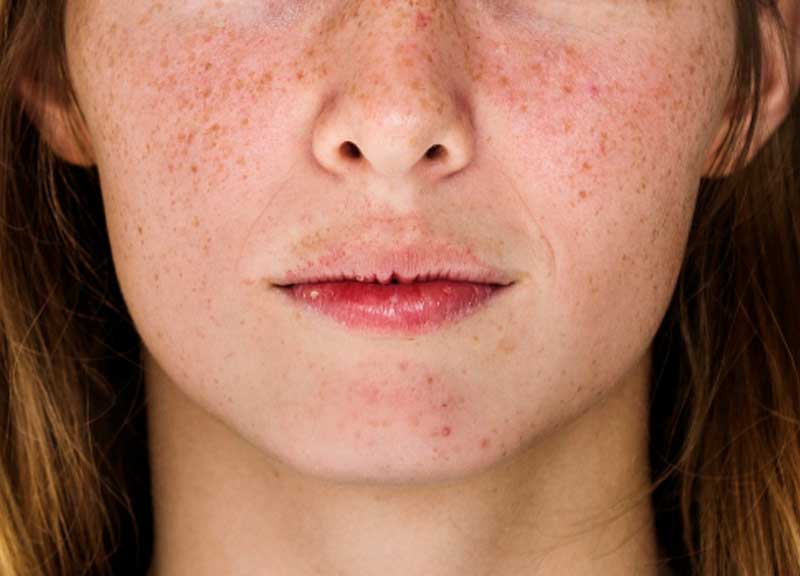
Rosacea is a common, chronic inflammatory skin condition that primarily affects the face. Characterized by facial redness, visible blood vessels, and sometimes acne-like bumps, rosacea can significantly impact a person's quality of life. This essay explores the etiology, clinical features, diagnosis, treatment options, and the psychosocial implications of rosacea, providing a comprehensive overview of this often-misunderstood condition.
Etiology
The exact cause of rosacea remains unclear, but it is believed to result from a combination of genetic, environmental, and immunological factors. Understanding these factors is essential for effective management and treatment.
Genetic Factors
Research indicates that genetic predisposition plays a significant role in the development of rosacea. Individuals with a family history of the condition are more likely to experience symptoms. Studies have identified specific genetic mutations associated with rosacea, suggesting that inherited traits may affect the skin's response to various stimuli (Wilkin et al., 2019).
Environmental Triggers
Various environmental factors can trigger or exacerbate rosacea symptoms. Common triggers include:
- Sun exposure: Ultraviolet (UV) light can lead to increased redness and inflammation.
- Temperature changes: Extreme heat or cold can provoke flare-ups.
- Spicy foods: Certain foods can cause flushing and irritation in susceptible individuals.
- Alcohol consumption: Alcohol, particularly red wine, is a well-known trigger for many people with rosacea.
Immunological Factors
Recent studies suggest that rosacea may involve an abnormal immune response. The presence of the bacterium Demodex folliculorum, a microscopic mite that lives on the skin, has been implicated in some cases of rosacea. In individuals with rosacea, an overpopulation of these mites may lead to inflammation and exacerbate symptoms (Gallo et al., 2019). Furthermore, an increased presence of certain inflammatory mediators has been observed in rosacea patients, indicating an underlying inflammatory process.
Clinical Features
Rosacea typically presents with a range of symptoms that can vary in severity and duration. The condition is classified into four subtypes, each with distinct characteristics:
Subtype 1: Erythematotelangiectatic Rosacea
This subtype is characterized by persistent facial redness, flushing, and visible blood vessels (telangiectasia). Individuals may experience sensations of burning or stinging, particularly when exposed to triggers.
Subtype 2: Papulopustular Rosacea
Often resembling acne, this subtype features red bumps (papules) and pus-filled lesions (pustules). Unlike typical acne, rosacea does not usually involve blackheads.
Subtype 3: Phymatous Rosacea
This less common subtype is characterized by thickening of the skin, particularly on the nose (rhinophyma). It can lead to a bulbous appearance and is more prevalent in men.
Subtype 4: Ocular Rosacea
Ocular rosacea affects the eyes, leading to redness, irritation, and a gritty sensation. It may also cause swollen eyelids and conjunctivitis, and in severe cases, can lead to vision problems.
Symptoms
Common symptoms across all subtypes include:
- Flushing: Sudden and temporary redness of the skin.
- Persistent redness: A continuous flush that does not subside.
- Visible blood vessels: Small, dilated vessels near the surface of the skin.
- Bumps and pimples: Red, inflamed lesions that may resemble acne.
- Burning or stinging: Discomfort or pain in the affected areas.
Diagnosis
Diagnosing rosacea is primarily clinical, based on the appearance of the skin and the patient's history. Dermatologists often look for specific signs and symptoms to confirm the diagnosis.
Clinical Examination
A thorough clinical examination is essential. Dermatologists typically assess the distribution and characteristics of the lesions, as well as any associated symptoms. For example, the presence of flushing and visible blood vessels is a strong indicator of rosacea.
Differential Diagnosis
It is important to differentiate rosacea from other skin conditions that may present similarly, such as acne, lupus, or contact dermatitis. Key differentiating factors include the absence of comedones (blackheads) in rosacea and the typical flushing associated with the condition. In some cases, a skin biopsy may be performed to rule out other dermatological issues, although this is not common.
Treatment Options
While there is currently no cure for rosacea, various treatment options can help manage symptoms and reduce flare-ups. Treatment strategies can be categorized into topical therapies, oral medications, and lifestyle adjustments.
Topical Treatments
- Topical antibiotics: Metronidazole is a commonly prescribed topical antibiotic that helps reduce inflammation and redness. Other options include clindamycin and azelaic acid.
- Topical retinoids: Although typically used for acne, retinoids can help improve skin texture and reduce inflammation in some rosacea patients.
- Brimonidine: This topical agent works by constricting blood vessels, reducing redness. It is particularly effective for those with significant flushing and persistent erythema.
- Ivermectin: This topical treatment has anti-inflammatory properties and is effective against Demodex mites, making it beneficial for certain patients.
Oral Medications
- Oral antibiotics: Tetracycline, doxycycline, and minocycline are commonly prescribed to reduce inflammation and treat papulopustular rosacea.
- Isotretinoin: In severe cases that do not respond to other treatments, isotretinoin may be considered, particularly for those with phymatous changes.
Laser and Light Therapy
Laser and light therapies can be effective in reducing redness and visible blood vessels. Options include:
- Pulsed dye laser: This treatment targets blood vessels and can significantly reduce redness.
- Intense pulsed light (IPL): IPL therapy can improve skin texture and reduce the appearance of blood vessels and redness.
Lifestyle Modifications
Managing rosacea often involves identifying and avoiding triggers. Patients are encouraged to:
- Use gentle skin care products: Harsh soaps and exfoliants can exacerbate symptoms.
- Protect the skin from sun exposure: Wearing sunscreen and protective clothing can help prevent flare-ups.
- Avoid known triggers: Keeping a diary to track potential triggers can help individuals manage their condition more effectively.
Psychosocial Implications
Rosacea can have significant psychosocial effects, impacting self-esteem and quality of life. The visible nature of the condition often leads to embarrassment and social withdrawal. Many individuals report feelings of anxiety and depression due to their skin condition.
Impact on Quality of Life
Studies have shown that individuals with rosacea often experience reduced quality of life comparable to those with other chronic conditions such as diabetes or heart disease. The physical symptoms, combined with the emotional distress of living with a visible skin condition, can lead to social isolation and decreased participation in daily activities (Dahl et al., 2020).
Support and Coping Strategies
Support from healthcare providers, family, and peer groups can significantly improve coping strategies for those with rosacea. Education about the condition and available treatments can empower individuals to manage their symptoms effectively. Support groups and online forums can provide a sense of community and understanding, helping individuals feel less isolated.
Conclusion
Rosacea is a complex and multifaceted skin condition that requires a comprehensive approach to diagnosis and management. The interplay of genetic, environmental, and immunological factors contributes to its development, while clinical features can vary widely among individuals. Although there is no cure for rosacea, effective treatment strategies can help manage symptoms and improve quality of life.
As research continues to evolve, healthcare providers must remain informed about the latest treatments and adopt a holistic approach that considers both physical and emotional well-being. By addressing the multifaceted nature of rosacea, individuals can navigate their condition with greater confidence and lead fulfilling lives.
References
- Dahl, J., et al. (2020). "The Impact of Rosacea on Quality of Life: A Systematic Review." Dermatology, 236(5), 463-472.
- Gallo, R. L., et al. (2019). "Rosacea: A Review of Pathophysiology and Treatment." Journal of Clinical and Aesthetic Dermatology, 12(11), 1-13.
- Wilkin, J., et al. (2019). "Standard Classification of Rosacea: A Consensus Symposium." Journal of the American Academy of Dermatology, 60(3), 487-493.