
What is a picosecond laser? - Explained by Dr. Yeung Ho Hong(楊浩康)
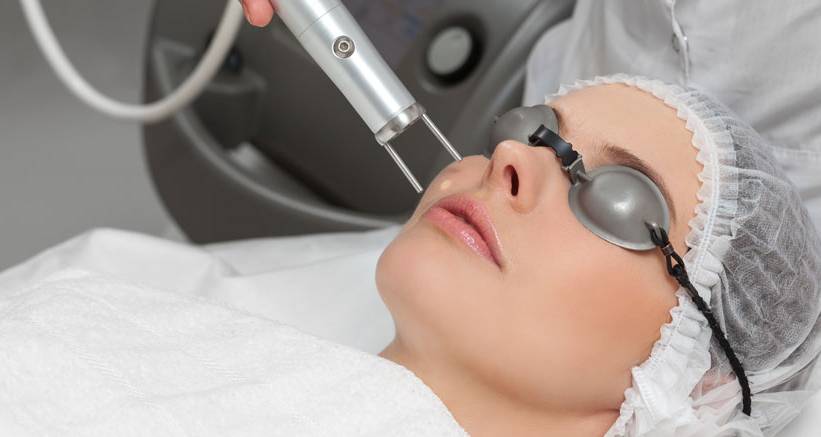
A picosecond laser is a laser device that uses very short pulse durations to target endogenous and exogenous pigment particle in the skin. The medium of the picosecond laser determines the wavelength of the laser energy emitted. The pulse durations used by picosecond laser are of less than 1 nanosecond, causing predominantly photoacoustic damage rather than photothermal destruction of pigment particles, allowing effective clearance of abnormal pigment but minimising photothermal damage to the surrounding tissue.
The main indication for the use of a picosecond laser is tattoo removal. Picosecond lasers can be used to clear blue and green pigments, and tattoos that are refractory to treatment with the Q-switched lasers. The picosecond lasers has also been reported to be useful to treat melasma, solar lentigines, naevus of Ota, naevus of Ito, and minocycline-induced pigmentation. Some picosecond lasers have fractionated handpieces that can be used to treat acne scarring and wrinkles.
In the treatment process, the photoacoustic effect produced by the ultra-short pulse laser can quickly break the pigment particles in the skin into extremely fine particles. In contrast, conventional lasers tend to rely on photothermal action to destroy pigments, and the risk of damage to surrounding healthy tissues during treatment is relatively high, while the application of picosecond lasers greatly reduces this risk, making the treatment more precise and safer. This treatment shortens recovery, allowing faster return to normal life.
Despite the obvious advantages of picosecond laser spot removal technology in terms of effectiveness and safety, as with all laser treatments, some side effects may occur. Common adverse reactions include pain at the treatment site, erythema, edema, spot bleeding, and possibly even temporary scabbing, blistering or scarring. Post-inflammatory hyperpigmentation or hypopigmentation are also not uncommon, especially in patients with darker skin tones who are more susceptible to the side effects of laser treatment. Therefore, a comprehensive assessment of the patient's skin condition by a professional dermatologist is required before treatment in order to formulate the most suitable treatment plan. After surgery, strict adherence to nursing recommendations and regular follow-up visits can effectively minimize and manage possible complications at an early stage.
Overall, picosecond laser depigmentation technology has become an innovation in modern cosmetic and skin treatment. The technology utilizes (photoacoustic effect) induced by extremely short pulse, which can precisely decompose all kinds of abnormal pigments and promote their metabolic removal, thus significantly improving skin pigmentation abnormality and removing stubborn tattoos. With the growing maturity of the technology and the continuous upgrading of the equipment, its scope of application is also expanding, not only widely recognized in the aesthetic medicine industry, but also in the clinical treatment to show more possibilities. Whether for pigmentation problems, tattoo removal, or scar and wrinkle improvement, picosecond lasers have become the ideal choice for many patients because of their high efficiency, precision, and safety. In order to obtain the best treatment results, patients should choose a personalized plan under the guidance of a professional doctor, and strictly follow the requirements of pre-operative and post-operative care for comprehensive management, so as to make the treatment process smoother and the recovery effect more ideal.