
What is shingles(herpes zoster)? - Explained by Dr. Yeung Ho Hong(楊浩康)
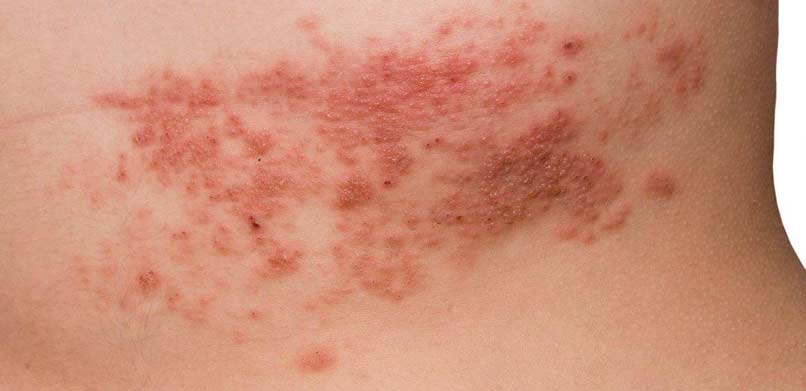
What is Shingles (Herpes Zoster)
Shingles, also known as herpes zoster or "snake string sores," is a skin condition caused by the reactivation of the varicella-zoster virus, the same virus that causes chickenpox. After childhood chickenpox, the virus remains dormant in the dorsal root ganglia for years. With aging, weakened immunity, chronic illness, or immunosuppressive drugs, the virus reactivates, causing pain and rashes along nerve pathways in a band-like pattern.
Shingles typically begins with intense local pain, tingling, or burning, often more distressing than the rash itself. Days later, redness appears, followed by small blisters along one side of the body in a narrow strip. Common sites include the back, waist, and flanks, though the head, face, and limbs may also be affected. Early symptoms can include low fever, fatigue, and swollen local lymph nodes.
Early treatment is critical, with the first three days being the golden window. Prompt use of antiviral drugs can shorten the illness, ease symptoms, and lower the risk of complications like postherpetic neuralgia. Pain management is also key, using NSAIDs, topical analgesics, or nerve-modulating drugs if needed. Eye or ear involvement requires urgent care due to risks of vision or hearing loss and threats to vital organ function.
Beyond medication, healthy habits and immunity maintenance aid prevention. Adequate rest, balanced diet, and stress reduction bolster natural defenses. For those 50 and older, the shingles vaccine effectively reduces risk and subsequent neuralgia. Regular checkups and vaccination not only catch and treat issues early but also enhance seniors’ quality of life.
While most patients’ rashes fade in 2–3 weeks with proper treatment, some develop postherpetic neuralgia—persistent nerve pain lasting months or years after rash resolution. This sharp or stabbing pain disrupts daily life, sleep, and mental health. Doctors tailor pain relief drugs to severity, easing discomfort.
Overall, shingles ties closely to latent varicella infection, triggered by immune shifts. Understanding its mechanism, symptoms, and treatment is vital for early intervention and management. For seniors and the immunocompromised, early vaccination, healthy living, and prompt treatment cut risk and complications, speeding recovery, improving life quality, and reducing long-term suffering.